October 9, 2026
Many older homes come with hidden electrical risks that can pose safety hazards. This article explores the various challenges and considerations for homeowners, contractors, and residential electrician services when dealing with electrical systems in legacy homes. Often, these older systems were designed for the power needs of the past, which were significantly less than today's requirements. As such, understanding the risks and implications of outdated electrical components is crucial for maintaining safety and prolonged home value. Proactive measures can prevent potential hazards, ensuring both the safety of the residents and the preservation of the home's historic integrity.
Obsolete Wiring Systems
Knob-and-Tube Wiring
Knob-and-tube wiring, prevalent in homes built before the 1940s, is a significant risk factor in older properties. This system lacks a ground wire, increasing the potential for electric shock and fire. Deterioration of insulation around the wires adds to these risks, as damaged insulation can lead to direct exposure of wires. Homeowners should regularly check for frayed wires and consult professionals familiar with older systems. Furthermore, insurance companies often refuse to cover homes with knob-and-tube wiring due to these risks, necessitating an upgrade for safety and financial reasons.
Aluminum Wiring
Aluminum wiring, used primarily between the 1960s and 1970s, is prone to safety issues not found with traditional copper wiring. Aluminum expands and contracts more than copper, leading to loose connections and potential fire hazards. Additionally, it oxidizes more quickly, which can exacerbate connectivity problems. It's crucial for homeowners to understand that this wiring requires specialized connectors and maintenance to remain safe. According to Home Advisor, you should schedule an electrical inspection if your home is over 40 years old to prevent dangerous situations unseen to the untrained eye.
Hazardous Connections
Outdated electrical systems often feature hazardous connection methods, such as twisted splices and early forms of junctions. These connections may be improperly secured and prone to heat damage over time. Loose connections can lead to arcing, which significantly increases the likelihood of electrical fires. By having licensed residential electrician services inspect these connections, homeowners can address hidden issues and prevent accidents. Identifying and rectifying these faulty connections is a simple yet effective way to enhance electrical safety.
Lack of Grounding
The lack of grounding in older wiring systems poses a significant safety hazard, as it increases the risk of electrical shocks and equipment damage. Grounding provides a safe path for stray electrical current, preventing electrical accidents. In older homes, the absence of grounding can lead to excessive electrical surges damaging modern appliances. Homeowners should schedule an electrical inspection to assess and upgrade grounding wherever necessary. Implementing proper grounding can significantly enhance the home's safety and reduce potential hazards.
Obsolete Systems
Identifying obsolete wiring systems requires a keen eye for detail and an understanding of how these older installations function. Homeowners are encouraged to conduct regular visual inspections and engage certified residential electrician services for professional assessments. Upgrading to modern wiring systems can prevent many of the risks associated with outdated wiring and improve energy efficiency. The transition offers dual benefits: enhancing safety by mitigating electrical hazards and increasing the home's market value. Owners of legacy homes should prioritize these upgrades to align with current safety standards.
Fragile Components and Insulation
Aging Electrical Panels
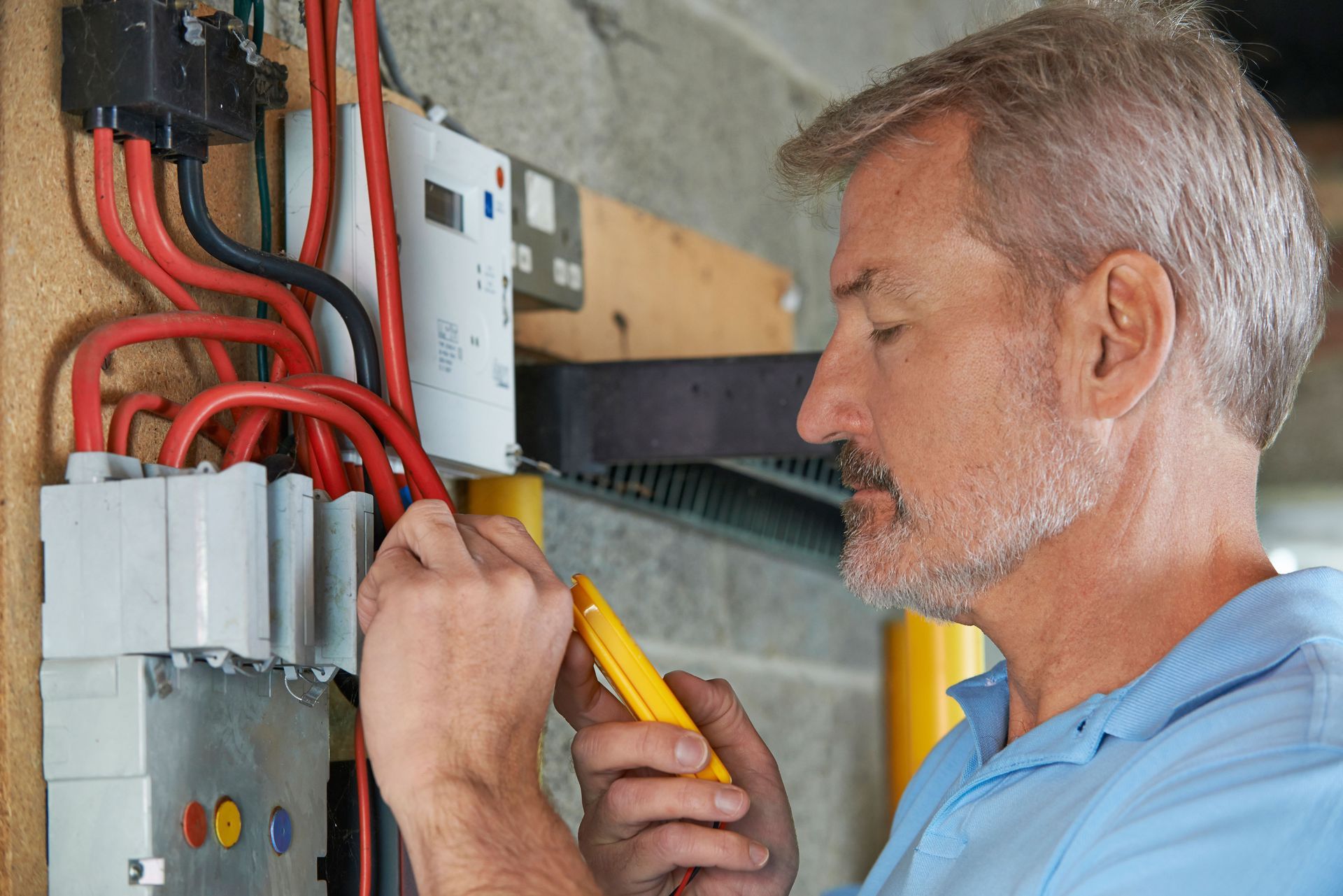
Aging electrical panels can present significant risks if not properly maintained or upgraded. These panels often do not support the electrical load required by contemporary appliances, leading to frequent circuit breaker trips. Over time, the panel's components may break down, increasing the chance of electrical fires. Residential electrician services can determine if an old panel needs to be replaced, often recommending upgrade options that provide more circuits and modern safety features.
Brittle Wire Insulation
Wire insulation used in older homes can become brittle over time, leading to exposed wires and increased fire risks. As the insulation degrades, it leaves wires vulnerable to environmental damage and short circuits. Regular inspections and upgrades can prevent these problems, ensuring safer electrical distribution. It is imperative to replace any brittle insulation discovered during inspections with modern, heat-resistant alternatives. By addressing these weaknesses, homeowners can significantly reduce the risk of electrical failures.
Circuit Overloading
Older electrical systems are frequently susceptible to circuit overloading due to limited initial infrastructure. With the increasing demand for power from modern appliances and electronics, the potential for overloads is a distinct hazard. Overloaded circuits can cause frequent breaker trips and might lead to overheating, resulting in electrical fires. To mitigate this risk, a thorough examination of a home's wiring capacity is recommended by professionals. Upgrading electrical panels and circuitry can ensure better load management and safer power distribution.
Deterioration of Outlets and Switches
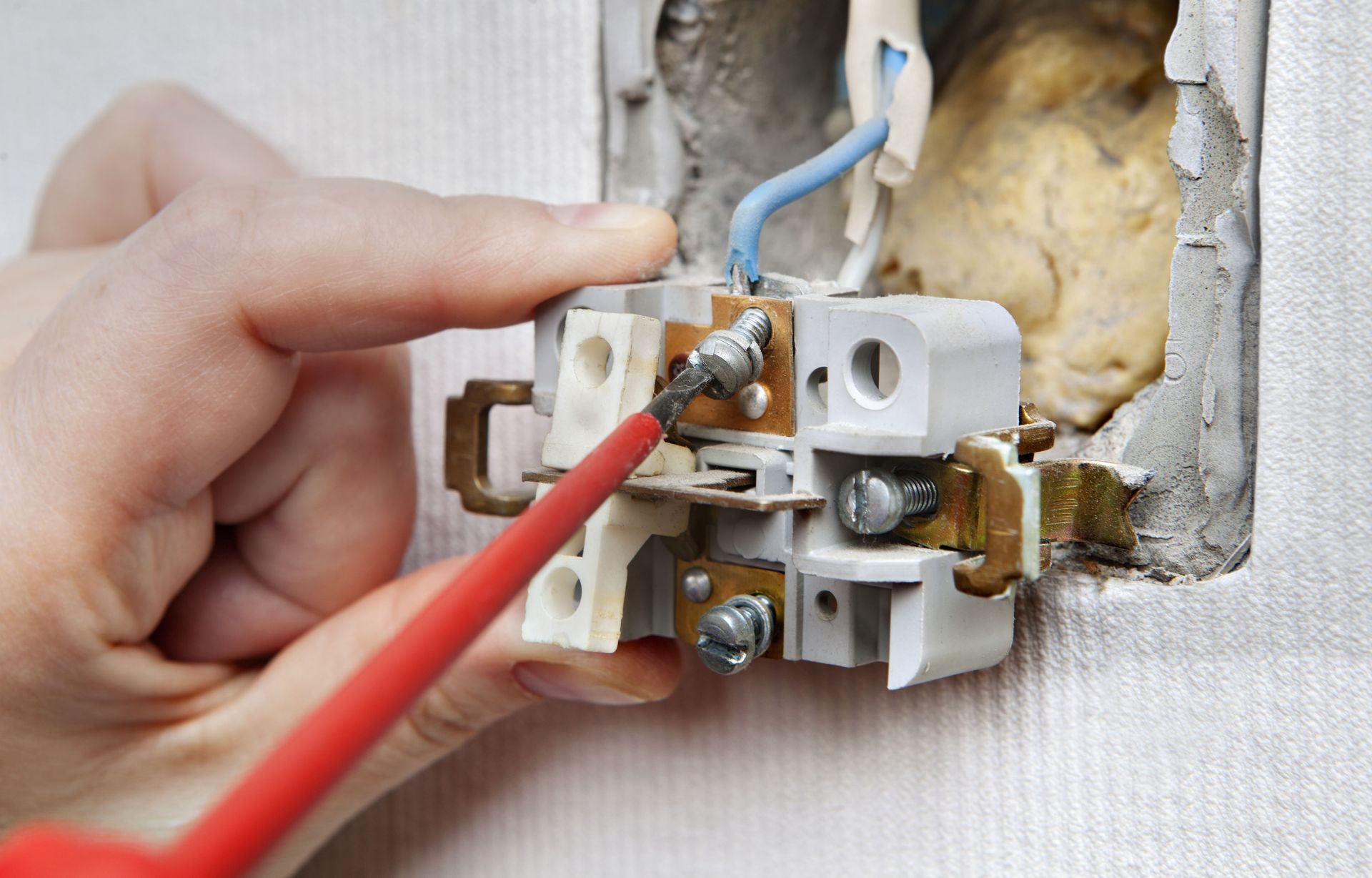
Over time, the outlets and switches in older homes may deteriorate, leading to poor electrical connections and increased risks of sparks or short circuits. Regular use and outdated materials can cause the contacts within these components to lose tension and efficiency. Homeowners might notice appliances that only work intermittently or discover additional heat generated around the switch areas. Periodic replacement of these deteriorating components is essential for maintaining safe electrical operations. Professional inspections can identify failing outlets and provide peace of mind.
Insufficient Electrical Load Handling
Increased Power Demands
Older homes were not designed with current power demands in mind, often struggling to accommodate modern electrical needs. These properties typically feature fewer circuits and smaller electrical panels, leading to frequent overloads. The addition of modern gadgets and appliances can overwhelm outdated systems. To manage these demands effectively, many homeowners opt to upgrade their electrical infrastructure comprehensively. A proactive and systematic approach ensures safety and reliability while meeting contemporary lifestyle needs.
Inadequate Circuitry
Inadequate circuitry in legacy homes often leads to frequent disruptions and potential hazards as outdated circuits fail to support additional loads. These inadequacies typically occur due to an insufficient number of circuits, resulting in frequent overloads. Homeowners experiencing constant power outages or flickering lights should consult professionals to assess and rectify these issues. Adding new circuits or redistributing existing loads can improve the system's capacity. Regular inspections remain key in safeguarding both the home and its occupants from electrical mishaps.
Circuit Breaker Limitations
Circuit breaker limitations continue to challenge older homes where the systems aren't configured to manage today's electrical pressure. Original panels might not have sufficient amperage to support modern electronics and high-power appliances. This limitation often results in frequent outages, as breakers trip to prevent overloads and fires. By upgrading with residential electrician services to modern systems complete with higher amperage and more circuits, homeowners can ensure a stable and reliable electrical supply.
Risks of Using Extension Cords and Power Strips
Reliance on extension cords and power strips to compensate for insufficient outlets can pose significant safety risks in older homes. Overuse of these items can multiply the chance of overloads, electrical fires, and tripping hazards. It's critical to restrict their use to temporary situations and always within their specified limits. Long-term solutions should focus on installing additional outlets in critical areas, ensuring a safe and functional living environment. Prioritizing these updates is essential for maintaining a hazard-free household.
While older and legacy homes offer charm and historical significance, addressing hidden electrical risks is crucial to ensure modern safety standards. Homeowners must be proactive in identifying potential hazards, seeking professional guidance, and implementing necessary upgrades to maintain both safety and the integrity of their properties. Call B & L Electric LLC today to get started with our residential electrician services.