June 10, 2026
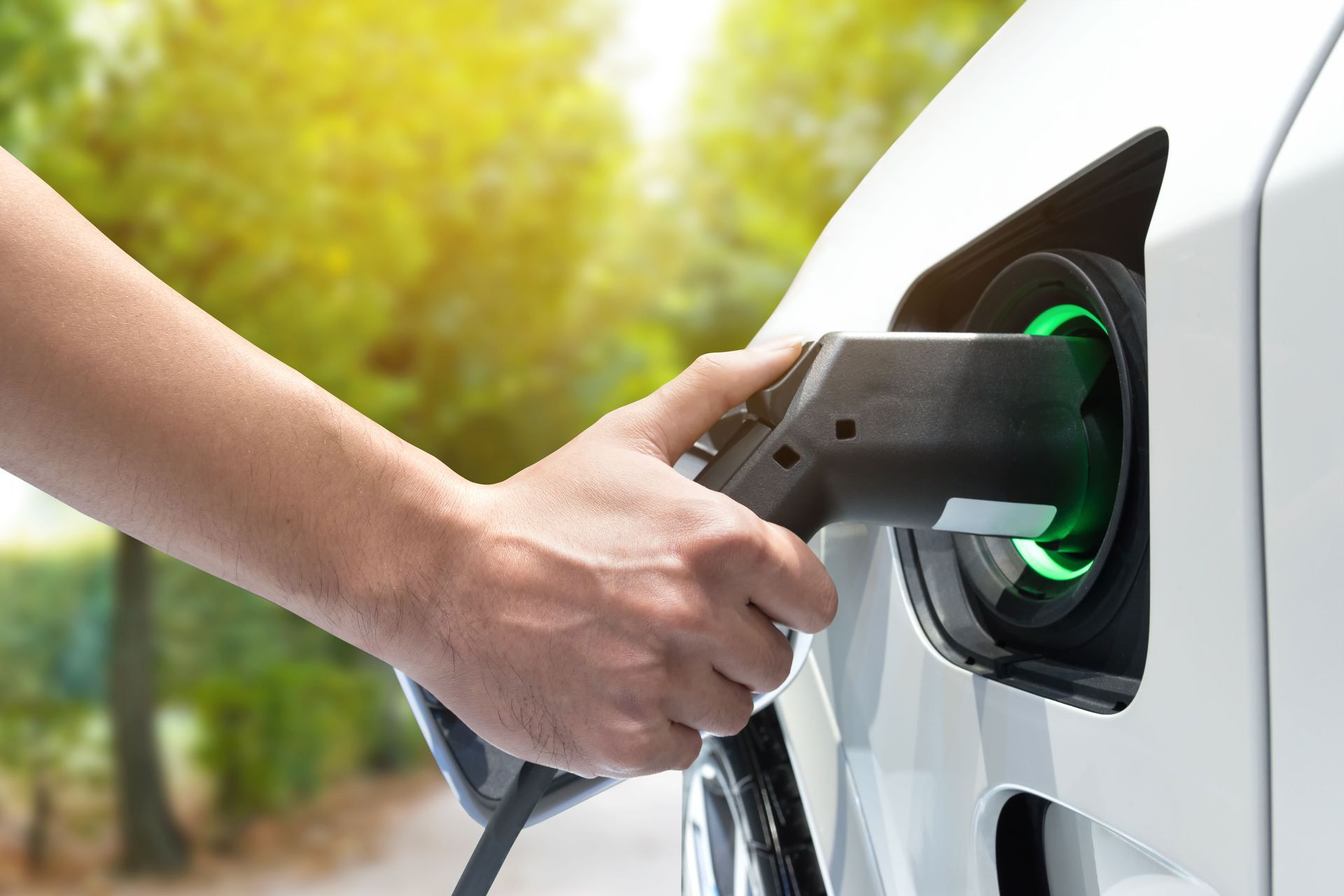
Electric vehicles (EVs) are becoming increasingly popular as more drivers look for convenient and environmentally friendly transportation options. According to Pew Research, there is a public EV charging station within 2 miles of about 64% of Americans. However, one of the biggest advantages of owning an EV is the ability to charge it at home. However, before moving forward with installation, homeowners should understand the electrical requirements, charger options, safety standards, and costs involved. Working with a professional EV charger installer can help ensure your system is installed safely and efficiently while meeting your current and future charging needs.
Assessing Your Home’s Electrical Capacity
Before installing a home charging station, it’s important to evaluate your home’s electrical capacity. EV chargers require significant power, and some older homes may not have electrical systems capable of supporting the added load. A licensed electrician or qualified EV charger installer can inspect your electrical panel and determine whether upgrades are necessary.
In many cases, older panels may need additional circuits or a complete upgrade to safely support EV charging. Planning for future electrical needs is also important. If you expect to add another EV or install more advanced home technology later, upgrading your system now can save money and reduce future disruptions.
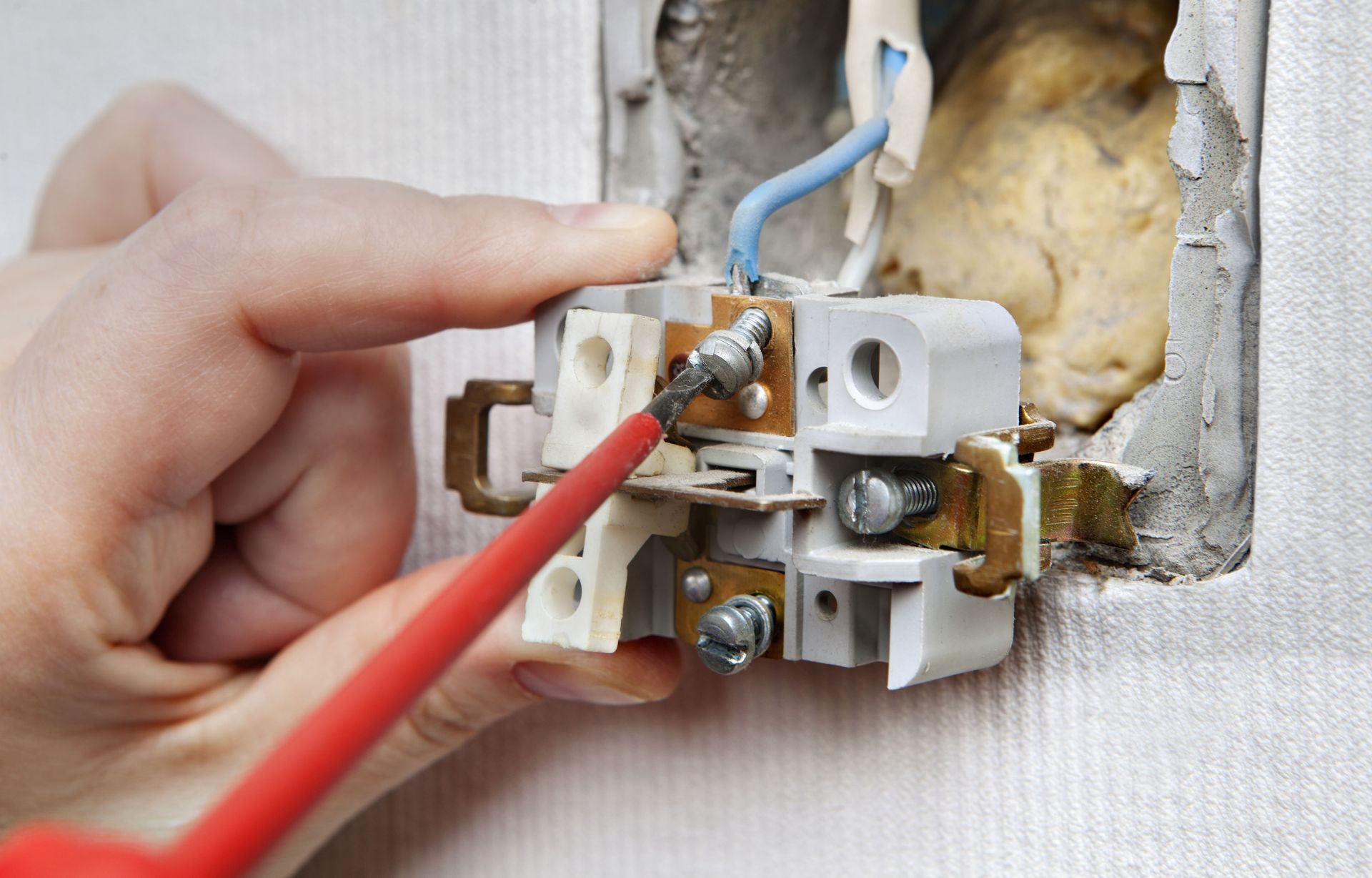
Your home’s wiring should also be inspected carefully. Older wiring may not meet current safety standards or be capable of handling the higher energy demands associated with EV charging. Replacing outdated wiring helps improve safety and reduces the risk of overheating or electrical fires.
Understanding Different Types of EV Chargers
Choosing the right charger is one of the most important parts of the installation process. Different chargers offer varying charging speeds and installation requirements.
Level 1 Chargers
According to our team of expert electricians, Level 1 chargers use a standard 120-volt household outlet. These chargers are typically included with many EVs and require little to no additional installation work. While Level 1 chargers are inexpensive and convenient, charging speeds are relatively slow. Fully charging a vehicle can take more than 24 hours, depending on battery size.
For drivers with shorter daily commutes, a Level 1 charger may provide enough charging capacity. However, homeowners who drive frequently or have larger battery vehicles often find the slower charging speed limiting.
Level 2 Chargers
Level 2 chargers are the most common option for residential charging. According to our experts, these systems use a 240-volt outlet similar to those used for large appliances such as dryers or ovens. A Level 2 charger can fully charge many EVs within several hours, making it far more practical for everyday use.
Installing a Level 2 charger generally requires professional assistance from an experienced EV charger installer. The installer will ensure the charger is connected safely, meets local code requirements, and operates efficiently. Although Level 2 chargers cost more upfront, many homeowners find the convenience and reduced charging times well worth the investment.
Smart Chargers
Many newer chargers include smart technology features such as Wi-Fi connectivity, energy monitoring, and scheduled charging. Smart chargers allow homeowners to monitor electricity usage, schedule charging during off-peak hours, and even control charging remotely through smartphone apps.
These systems can help reduce energy costs and improve overall efficiency. A knowledgeable EV charger installer can help homeowners choose a charger with features that match their driving habits and energy goals.
Choosing the Right Installation Location
Selecting the proper location for your charger is another important consideration. The charger should be easily accessible to your vehicle while minimizing safety risks and clutter.
Garages are one of the most common installation locations because they protect chargers from weather exposure and provide convenient access for daily charging. Outdoor installations are also possible but require weather-resistant equipment and proper protection against moisture and temperature changes.
An experienced EV charger installer can evaluate your parking area and recommend the best placement for convenience and long-term durability. Cable management is also important. Charging cables should remain organized and positioned safely to avoid tripping hazards or accidental damage.
Homeowners should also think about future accessibility needs. Installing the charger in a flexible location can make it easier to accommodate future vehicles or changes in parking arrangements.
Knowing Installation Costs
The total cost of installing an EV charger varies depending on several factors, including charger type, labor requirements, and electrical upgrades. Basic installations with minimal electrical work may cost only a few hundred dollars, while more complex projects involving panel upgrades or extensive wiring can cost significantly more.
Obtaining estimates from multiple professionals is often recommended. A qualified EV charger installer can provide a detailed assessment of labor, materials, permits, and potential upgrade costs before work begins.
Although installation costs may seem high initially, home charging often saves money over time by reducing reliance on public charging stations. Charging at home can also provide more predictable energy costs and greater convenience for EV owners.
Taking Advantage of Incentives and Rebates
Many federal, state, and local programs offer incentives to encourage EV charger installation. These incentives may include tax credits, rebates, or utility company discounts designed to reduce upfront costs.
Available incentives vary by location and can change over time, so homeowners should research programs before beginning installation. In some cases, utility companies also offer lower electricity rates for EV charging during off-peak hours.
An experienced EV charger installer may be familiar with local rebate programs and can help homeowners identify opportunities to reduce installation expenses.
Adhering to Safety and Code Compliance
Safety is one of the most important aspects of EV charger installation. Because chargers draw significant electrical power, improper installation can create serious hazards, including overheating, electrical shock, or fire risks.
Local electrical codes often require permits and inspections for EV charger installations. Hiring a licensed electrician helps ensure the system complies with all local regulations and safety standards.
Homeowners should also choose chargers that carry recognized safety certifications. Certified chargers have undergone testing to verify safe operation under various conditions.
Routine maintenance and periodic inspections help keep charging systems functioning properly over time. Checking cables, outlets, and electrical connections regularly can identify problems early and help prevent costly repairs or dangerous conditions.
Planning for Sustainable Charging
Installing a home EV charger also provides an opportunity to improve energy efficiency and reduce environmental impact. Many homeowners pair EV charging systems with renewable energy sources such as solar panels to reduce reliance on the electrical grid.
Smart charging systems can further improve efficiency by allowing vehicles to charge during periods of lower electricity demand. Charging during off-peak hours may lower utility bills while reducing strain on the grid.
As EV technology continues to evolve, future charging systems may offer even faster charging speeds, improved battery compatibility, and advanced energy management features. Working with a knowledgeable EV charger installer can help ensure your setup remains adaptable to future advancements. Adding battery storage systems can also increase energy independence and improve resilience during power outages.
Installing a home EV charger is a valuable investment that provides convenience, flexibility, and long-term savings for EV owners. Understanding your home’s electrical capacity, choosing the right charger, planning installation carefully, and following proper safety standards are all essential parts of the process.
Working with a qualified EV charger installer can help homeowners navigate every step of installation while ensuring the system operates safely and efficiently. As electric vehicles continue to grow in popularity, having a reliable home charging solution will become increasingly important for modern homeowners seeking convenience and sustainable transportation options. Proper planning today with help from the electricians at B & L Electric LLC helps ensure long-term performance and peace of mind.